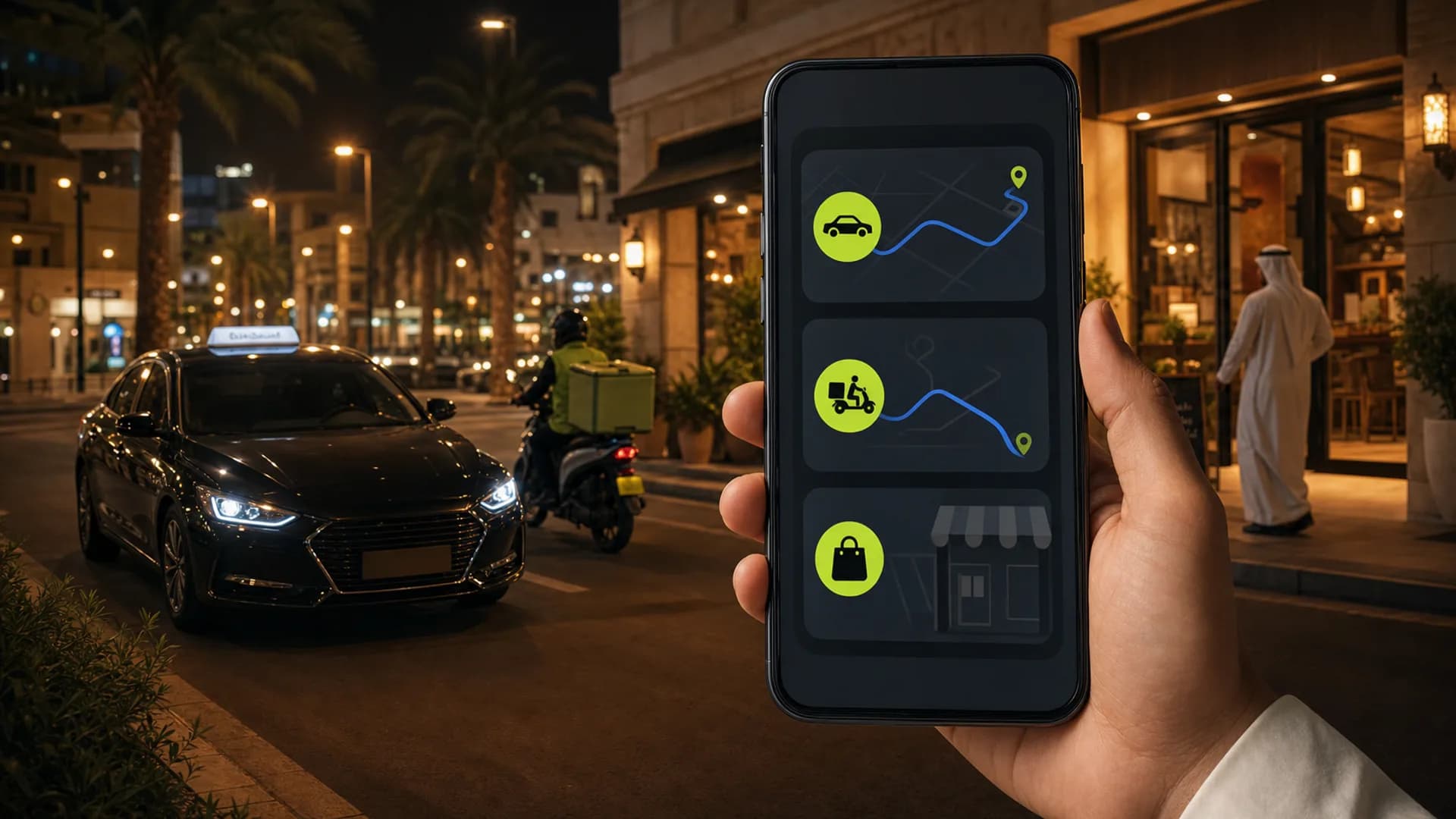
A super app can be a strong model for consumer mobility, but placing many unrelated modules on one home screen does not create a coherent product. The operator still needs a clear launch focus, reliable fulfilment, and a reason for customers to use each enabled service.
A practical approach is to begin with the service the market needs most, validate its operations, and add other modules when supply, support, and demand are ready. App Experience should follow that operating plan rather than force every module to appear at once.
Waslni is built for that sequence without forcing rides to remain the permanent core. In Settings → App Experience, an operator can choose Ride-only, Delivery-only, Ride-first, Delivery-first, or Both. Transport covers city rides and parcel jobs; Marketplace covers restaurants and grocery shops; Wallet is a separate optional feature. The same mobile app, quick in-app admin, and full web dashboard stay connected as the business model changes.