Get an app like inDrive

A negotiated-fare
ride-hailing service
branded for your market.

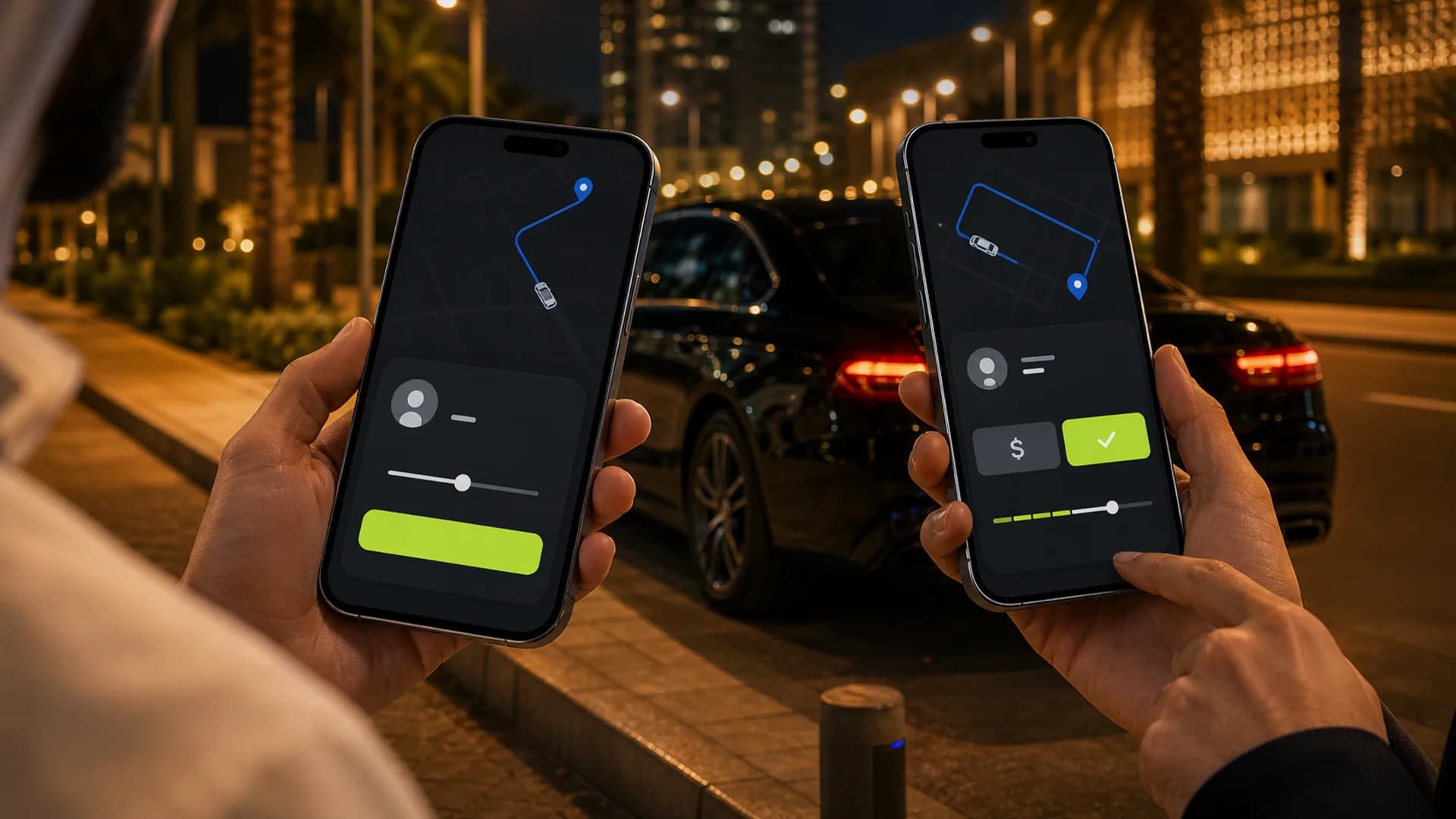
Waslni is not an inDrive clone, but it does support fixed and bidding service modes. In bidding mode the rider can adjust the fare, eligible drivers can submit a bounded price offer, and the rider can accept or reject it from the same role-aware app.

Two phones illustrating the inDrive-style fare-proposal flow
Configurable
Service types, fares, commissions, and operating rules
Two modes
Fixed and bidding pricing are configured by service
Scoped
Timeline depends on brand, stores, providers, and approvals
8 bundled
Interface languages; tenant-visible languages depend on configuration
By Waslni Editorial TeamPublished · Last updated · 7 min readinDrive alternative

inDrive is commonly associated with a fare-proposal model in which riders and drivers can participate in agreeing the price. Treat that as product inspiration, not evidence that the same behaviour is available in every market or platform.

A negotiated-fare flow affects pricing, offers, assignment, receipts, reporting, disputes, and local compliance. Buyers should document the exact journey and ask the vendor to demonstrate or scope every state instead of assuming a generic “negotiated mode” behaves like inDrive.

Waslni implements fixed and bidding pricing modes. In bidding mode the rider can adjust the proposed fare within server-defined limits, drivers can submit bounded offers, and riders can accept or reject them. Exact copy, payment, and accounting behaviour still needs tenant testing; the platform does not claim identical inDrive behaviour.
What to review

Scope the fare journey,
end to end

Rider role

Rider proposes within a permitted range

A bidding service shows an adjustable fare instead of locking the quoted amount. The rider’s submitted price is stored with the order and remains bounded by the configured service rules.

Driver role

Driver accepts or sends a price offer

For eligible bidding work, the driver can take the customer price or submit another allowed amount. The rider then accepts or rejects the specific driver offer; pending offers can also expire.

Pricing

Bounds are enforced on the server

The service configuration determines fixed or bidding mode and the allowed rider and driver movement around the fare anchor. Server validation rejects offers outside those limits.

Administration

Two connected admin surfaces

Authorised staff can reach quick permissioned controls inside the mobile app, while the full web panel handles configuration and wider operational oversight.

Commercial rules

Set commissions deliberately

Configure supported commission rules for the service, then document driver communication, accounting, and any settlement process separately.

Payments

Prepaid card prices stay locked

Cash or wallet flows can accompany bidding when configured. If a card trip has already captured the full fare, the backend requires the driver offer to match that locked customer price.

Comparison

inDrive clone
vs. Waslni

Feature
Generic inDrive-style clone
Waslni
Bidding service with rider and driver price offers
Verify
Implemented; test per tenant
Supported fare and service configuration
Varies
Admin-configurable
Commission rules
Verify
Configurable where supported
Arabic + RTL
Verify screen by screen
Supported
Supported payment integrations when configured
Verify providers and approval
Cash workflow
Verify
Available when configured
Implementation scope
Varies
Confirmed per tenant
Configuration path

From setup
to controlled launch

01 /
Step 1

Brand + operating model

Apply the brand, select the initial App Experience, and document the exact pricing journey that needs to be demonstrated or scoped.

02 /
Step 2

Cities + commissions + driver onboarding

Configure service areas, supported commission rules, service types, and the dynamic driver-registration requirements.

03 /
Step 3

Payments + registration

Connect a supported provider after merchant approval, compose registration fields, and test the pricing and payment flows selected by the operator.

04 /
Step 4

Controlled release

Complete store submission and operational testing, then open the service to a limited audience before expanding.

Operator questions

Plain answers
from negotiated-fare buyers

01 /

Is Waslni an inDrive clone?

No. inDrive is a market reference, not a behaviour specification. Waslni provides one role-aware rider-and-driver app, quick permissioned administration inside it, a full web panel, and configurable operating settings under your brand.

02 /

Can I combine negotiated and fixed fares?

Yes, by assigning fixed or bidding pricing mode to the relevant service configuration. Test each service and payment method: a fully prepaid card ride keeps its captured price locked even when the service normally allows bidding.

03 /

What is the commission model?

Commission settings depend on the supported service configuration and your commercial policy. Avoid copying another company’s percentage; model a rate that fits driver economics, customer pricing, tax, and local obligations.

04 /

How does the rider know what to propose?

The backend returns the fare and bidding bounds for the selected service, and the rider interface lets the customer adjust within those limits before confirming. The exact labels and range should be reviewed in the configured tenant.

05 /

How does cash work in this model?

When cash is enabled, the operator defines collection, recording, commission, reconciliation, and exception procedures. Waslni does not promise a particular shift or weekly settlement schedule.

See it in action

A negotiated-fare demo,
reviewed against your scope

Bring your required offer, acceptance, pricing, and cash scenarios to a live product and scope review.

Get an app like inDrive — Waslni ride-hailing platform