Get an app like Jeeny

A Jeeny-style
local ride-hailing app
under your brand.

Jeeny-style operators win through local discipline: Arabic-first UX, cash support, driver trust, fast city operations, and payments that work where the riders already are. Waslni gives you that shape as a hosted white-label platform.

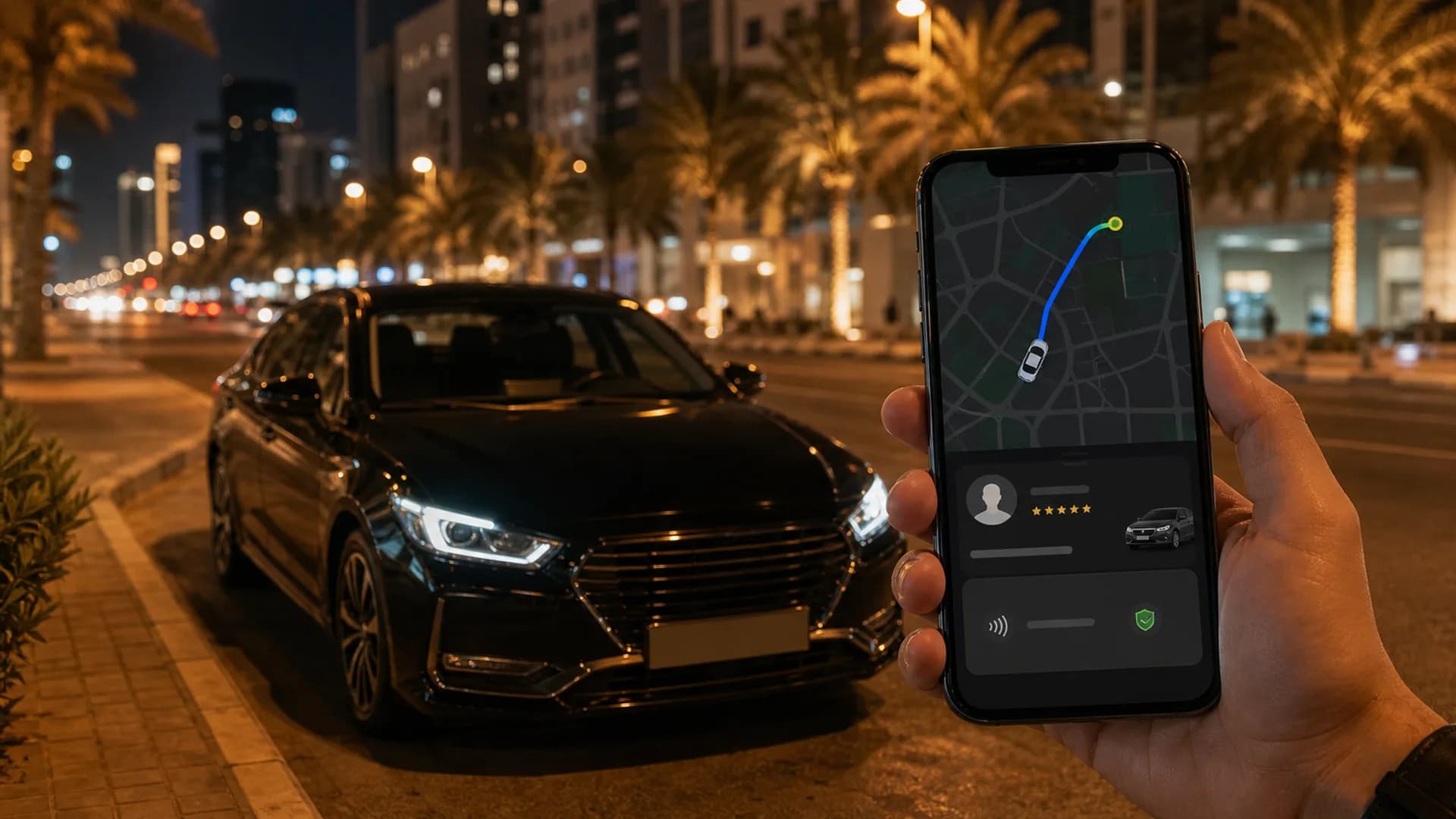
A Jeeny-style MENA ride-hailing service shown on a branded rider app
MENA-first
Arabic RTL, cash workflows, and local gateway readiness
4 wks
Typical launch timeline from kickoff to store submission
40+
Tenant settings your operators edit without code
8
Languages bundled across rider, driver, and admin surfaces
Last updated · June 202610 min readJeeny alternative

Jeeny is the kind of competitor MENA operators study closely because it does not behave like a generic global ride-hailing brand. It is regional, Arabic-aware, cash-friendly, and practical. The lesson is not "copy the screens." The lesson is that a local transport brand wins when the software fits how riders, drivers, payments, support, and city operations already work.

That is exactly where most clone scripts fail. They can show a rider booking flow, but the cracks appear in the local details: Arabic copy that wraps badly, driver documents that are hardcoded, payment providers that do not match the country, weak cash reconciliation, support teams sharing one admin login, and fares that require engineering every time the operator changes a city or service type.

Waslni is built for the Jeeny-style operator who wants a serious regional platform under their own brand. You get branded rider and driver apps, dispatch, admin, payments, driver onboarding, configurable service types, role-based permissions, and Arabic-first UX. The platform is already running production deployments in Palestine and Egypt; a new country is configuration work, not a new codebase.

What ships

The local ride-hailing
system behind the app

The rider app is the visible part. The real product is the connected rider, driver, dispatch, finance, support, and admin system underneath it.

Rider

A rider app that feels local

Phone-number signup, pickup and drop-off search, fare estimate, saved places, scheduled rides, in-app chat, SOS, ratings, promo codes, referrals, and bilingual EN/AR UI. The flow stays simple enough for daily commuting, airport trips, and family bookings.

Driver

Driver app with clear earnings

Online/offline status, trip offers, route navigation, wallet, weekly or daily payout cycles, cash/card breakdown, document upload, demand heatmap, and support escalation. Drivers see how every trip affects their balance.

Dispatch

Operations console for live work

Live fleet map, active trips, manual reassignment, phone-booking flow, customer support view, driver status, order history, and finance reports. A small local team can run city operations without touching code.

Local payments

Cash, cards, wallets, gateways

Cash is first-class. Cards and wallets connect through regional gateways such as Lahza, Fawry, Paymob, and Kashier today, with Saudi and Jordan gateway work handled as tenant configuration during launch.

Admin control

Admin-editable operating model

Service types, fare formulas, commissions, peak windows, driver registration fields, document requirements, city geofences, roles, permissions, policy pages, and banners are controlled from the admin panel.

Trust

Compliance built into onboarding

Admins compose the driver registration flow, review submissions, approve documents, and keep expiry-sensitive fields visible. The platform avoids hardcoded document lists so each country can match its own transport rules.

Why local matters

A regional app
needs regional operations

Jeeny-style markets punish generic software. Waslni is built around the details that local operators actually change week by week.

01

Country-specific from day one

A Jeeny-style launch depends on country fit: currency, city boundaries, phone formats, document fields, payment options, language defaults, driver supply, and support workflow. Waslni keeps those as tenant configuration, not forks.

02

Cash reconciliation is not an afterthought

Drivers collect cash, the system records the trip, wallet balances update, and the platform commission remains auditable. That matters in MENA markets where cash rides remain important even when card options exist.

03

Driver acquisition stays flexible

Some markets need national ID, license, car papers, profile photo, service-type approvals, or extra KYC. The registration form builder lets operators change the checklist without waiting for a release.

04

Support and operations are role-based

Customer service can see trips without finance controls. Managers can handle drivers without platform settings. SuperAdmin sees everything. Permissions are built around real local teams, not one shared admin account.

Comparison

Jeeny clone script
vs. Waslni

A clone script can copy the surface. A platform has to run the business after the first thousand rides.

Feature
Generic Jeeny-style clone
You maintain and localize
Waslni
Hosted, MENA-first, configurable
Rider app, driver app, dispatch, admin
Arabic RTL across app and admin
Partial
Full
Cash-first wallet reconciliation
Basic
Built in
Admin-editable driver registration forms
Regional payment gateways
Often custom
Production-ready pattern
Per-city service types and fare formulas
Limited
Role-based admin permissions
Limited
Launch timeline
3-9 months
4 weeks typical
Four-week launch

From brand kit
to first public rides

01 /
Week 1

Brand, country, tenant

Your brand kit is applied. App name, colors, icons, splash screens, domains, country, currency, language defaults, and initial service types are configured. The first admin account is created.

  • Brand assets applied to rider and driver apps
  • Country and currency set
  • Tenant backend and admin panel provisioned
02 /
Week 2

Cities, fares, registration

The operations team defines launch cities, service areas, base fares, per-km and per-minute rules, commission, peak-hour windows, and the driver onboarding form for the first driver cohort.

  • City geofences and service types
  • Driver forms and document requirements
  • Commission and peak-hour settings
03 /
Week 3

Payments, support, pilot drivers

Cash workflows are validated, gateway credentials are connected, support roles are created, and the first driver pilot goes through registration and approval before the public launch.

  • Gateway keys wired under your merchant account
  • Support roles and permissions created
  • Pilot drivers approved from the admin panel
04 /
Week 4

Store submission and soft launch

The iOS and Android builds are submitted under your developer accounts. Your team runs a controlled soft launch with real riders, real drivers, real settlements, and monitoring from the operator console.

  • App Store and Google Play submission
  • Soft launch in one city or district
  • Launch monitoring and support handover
Operator questions

Plain answers
for Jeeny-style launches

01 /

Is Waslni a Jeeny clone?

No. Waslni is a white-label ride-hailing platform for building a Jeeny-style local service under your brand. The rider and driver experience can feel familiar to users, but the brand, pricing, data, admin rules, payment setup, and operating model are yours.

02 /

Can I launch in Saudi Arabia or Jordan?

Yes. Waslni is designed for MENA deployments. Saudi Arabia and Jordan require local gateway setup, store metadata, driver document rules, and regulatory copy, but the core platform already supports Arabic RTL, cash workflows, configurable service types, and tenant-specific country settings.

03 /

Does Waslni support cash like Jeeny-style local apps?

Yes. Cash is treated as a first-class payment method. The driver collects the fare, the trip is recorded, the driver wallet updates, and finance reports show cash collected against platform commission owed.

04 /

Can operators change driver documents without a code deploy?

Yes. The driver registration flow is admin-composed. Operators can add sections, fields, images, selects, car details, and service-type visibility rules from the admin panel.

05 /

How long does a launch take?

A typical Waslni white-label launch is four weeks from kickoff to store submission when developer accounts, payment merchant accounts, and brand assets are ready. Driver recruitment and payment approvals run in parallel.

06 /

What should I copy from Jeeny, and what should I avoid copying?

Copy the local discipline: Arabic-first flows, cash support, clear driver economics, fast support, and city-by-city operations. Avoid copying the brand surface blindly. A new operator needs a sharper local promise, not a second Jeeny logo with different colors.

See the platform

A Jeeny-style demo,
provisioned in minutes

14 days free. Real rider app, driver app, dispatch, admin, payments, and onboarding controls.

Get an app like Jeeny - Waslni white-label ride-hailing platform