Delivery App Software: Choose the Right Model for Food, Shops, Parcels, or Fleets
A buyer’s guide to choosing delivery app software by operating model, with practical requirements for customers, couriers, vendors, dispatch, tracking, payments, and integrations.
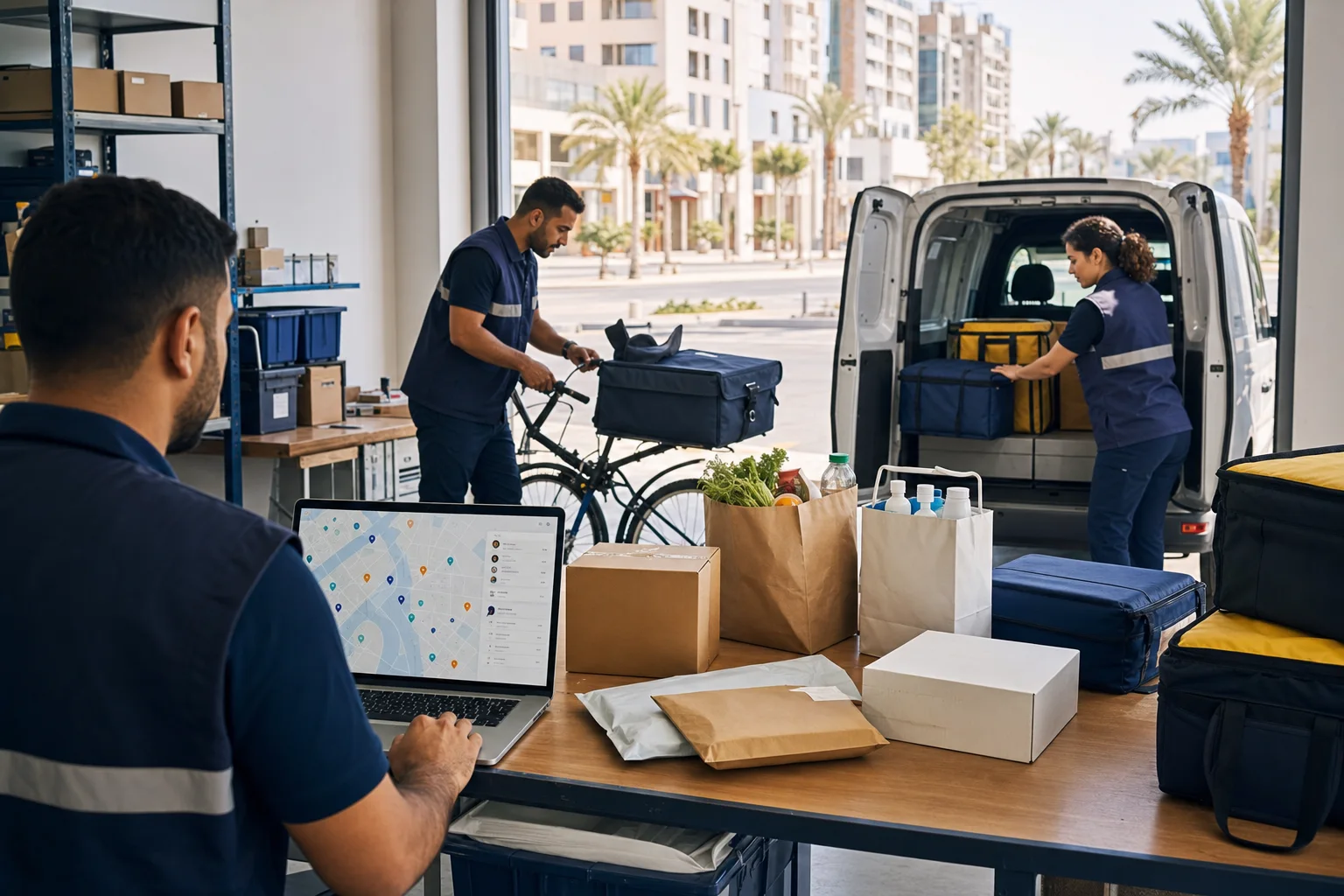
“Delivery app software” is not one product. A restaurant ordering marketplace, an on-demand courier service, a same-day parcel network, and software for a company’s own fleet may all show a courier moving toward a destination. Their order data, pricing, dispatch, proof, payment, and vendor requirements are different.
Buying the wrong model creates expensive workarounds. A courier app cannot become a food marketplace merely by adding restaurant logos, and a marketplace checkout may be unnecessary for a fleet that only receives jobs from an existing website. Start with the operating model, then evaluate the screens.
Four common delivery software models
- Single-business delivery: one restaurant, retailer, pharmacy, or company accepts orders and uses its own or partner couriers.
- Multi-vendor marketplace: many shops manage catalogs and orders while the platform controls discovery, commissions, delivery, and customer support.
- On-demand courier: customers request pickup and drop-off for documents, parcels, errands, or prepaid items.
- Fleet delivery infrastructure: an existing business sends delivery jobs from a POS, website, ERP, or custom backend through an API.
A super app can combine several models, but each one still needs a clear order lifecycle. Decide which model creates the first repeatable demand loop. Add the others after the team can fulfill, support, and reconcile the first one reliably.
Customer experience requirements
The customer workflow depends on what is being delivered. Marketplace customers browse vendors and products; courier customers describe a pickup and drop-off; fleet customers may never open your delivery app because the order begins on another site.
- Accurate addresses, map position, entrance notes, contact details, and delivery zones.
- Availability and clear expectations for preparation, pickup, and arrival.
- A price or delivery-fee quote before commitment whenever the model allows it.
- Order status that reflects real operational stages rather than vague animation.
- Safe customer-courier communication and support without exposing unnecessary data.
- Payment, cancellation, refund, replacement, and proof rules appropriate to the item.
Courier and dispatch requirements
Couriers need the right information at the right stage. Showing the destination too late can make offers unattractive; showing private customer data too early creates risk. Define what appears before acceptance, at pickup, in transit, and after completion.
- Eligibility by vehicle, capacity, zone, document status, service, shift, and availability.
- Offer, assignment, rejection, timeout, reassignment, and manual-dispatch behavior.
- Pickup verification, item notes, prepaid amount, cash collection, and contact rules.
- Navigation context, destination changes, failed delivery, return, and redelivery flows.
- Proof of delivery using a method suitable for the market and item sensitivity.
- Courier balances, earnings, cash accountability, and dispute evidence.
Marketplace and vendor requirements
A multi-vendor product adds another operator to every order. Restaurants and shops need availability, catalogs, prices, options, preparation time, acceptance, rejection, and order history. The platform needs commission, settlement, support ownership, and rules for who can modify or cancel an order.
- Vendor onboarding, opening hours, service areas, minimum orders, and temporary closure.
- Menus or catalogs with options, modifiers, stock, taxes, promotions, and images.
- Order acceptance and preparation status that dispatch can trust.
- Commission, delivery fee, vendor balance, refunds, and settlement records.
- Separate permissions for vendor staff and platform operations.
API-first delivery for existing businesses
If orders already originate in a POS, ecommerce site, ERP, or call center, forcing staff to re-enter them creates delay and mistakes. The delivery platform should accept a structured request, return a quote or order identifier, prevent duplicate creation, and send status changes back through webhooks.
- Authentication and request signing appropriate to partner access.
- Idempotency so a retry does not create a second courier job.
- Validation for addresses, contacts, amounts, timing, and service eligibility.
- Delivery quotes with enough detail to explain rejection or price changes.
- Webhooks with retry behavior and an order-detail endpoint for reconciliation.
- Logs that let both technical teams investigate a disputed request.
Pricing and payments by model
Courier pricing may use distance, zones, vehicle, urgency, waiting, weight, or item value. Marketplace economics add vendor commission, customer delivery fee, platform subsidy, discounts, taxes, tips, and refunds. Fleet delivery may bill the business account rather than the recipient. Make the money flow explicit before integrating a gateway.
A delivery is operationally complete when the item, status, proof, payment, courier balance, and customer expectation all agree—not merely when a pin reaches the map destination.
Questions to ask in a delivery software demo
- Can you demonstrate our exact order source and delivery lifecycle?
- What happens when a vendor rejects, a courier cancels, or the customer is unavailable?
- How are zones, fees, prepaid amounts, cash, refunds, commissions, and balances calculated?
- Can support see customer, vendor, courier, payment, and status history in one place?
- Which settings can operations change without a software release?
- Can our existing systems create orders and receive reliable status updates?
- Which native app changes require a new store release, and how are updates managed?
How Waslni supports more than one delivery model
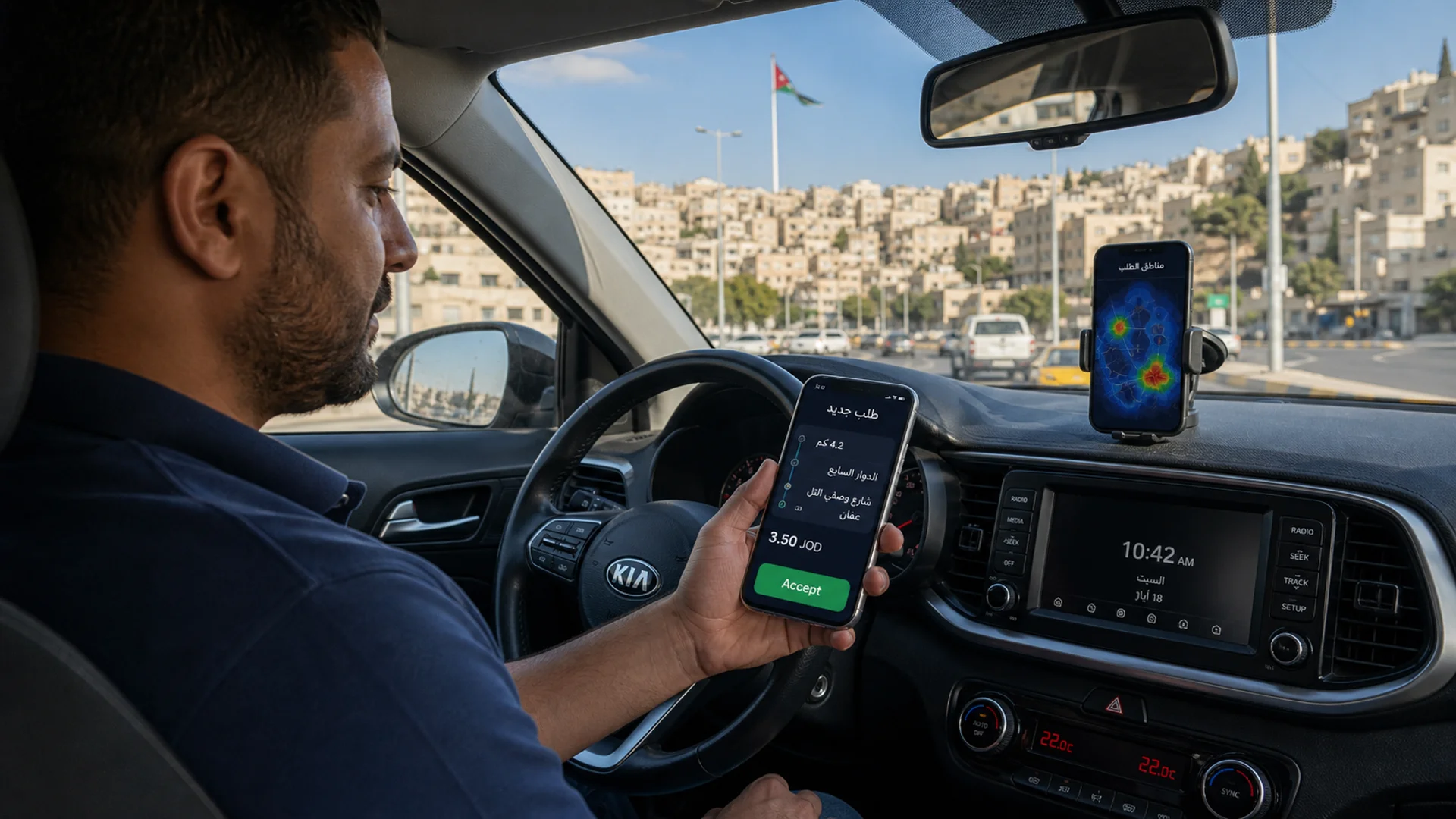
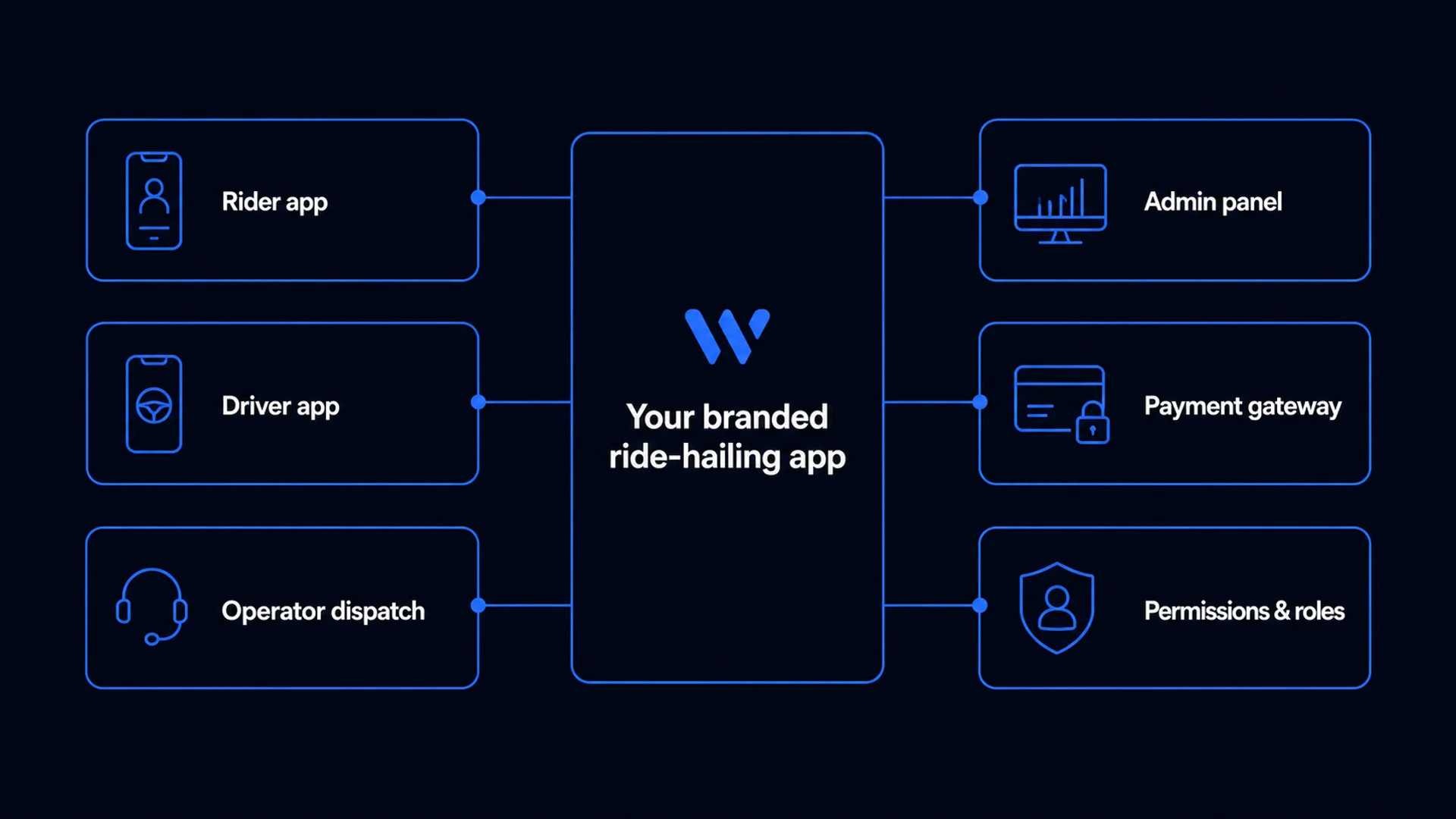
Waslni can support customer ordering, courier workflows, shops, delivery tracking, dispatch visibility, payments, web administration, and API-based order creation in the same platform family. Operators can start with delivery, combine it with local commerce, or share supply with ride-hailing when the business model calls for it.
The useful first step is not enabling every module. It is selecting the model, order source, money flow, service area, supply plan, and support responsibility that make the first launch coherent. The live demo can then be evaluated against a real operating scenario rather than a generic feature tour.
FAQ: Do I need separate apps for food and courier delivery?
Not necessarily. A configurable platform can present different ordering and courier workflows inside one branded product. The decision should depend on customer clarity, operational overlap, and whether the services genuinely share supply, payments, support, and brand trust.
FAQ: What should a delivery MVP include?
It should include one complete, supportable order loop: valid order creation, pricing, assignment, pickup, tracking, completion or failure, proof, payment records, and admin visibility. A long catalog of partially connected features is less valuable than one reliable lifecycle.